Dock · loading · warehouse lifting

McGuire dock levelers keep trailer geometry and interlocks in one selection record

Documented capacity, safety inputs, service access and recovery planning stay visible from RFQ through SAT—so warehouse teams can approve a bay package without guessing lip travel, restraint proof or cutover fallback.

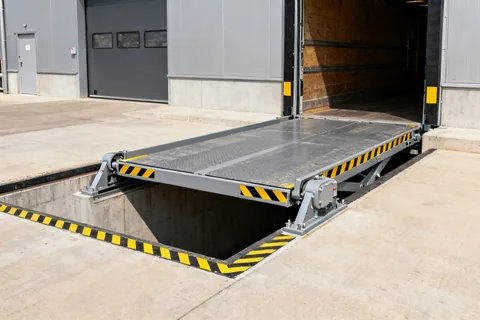
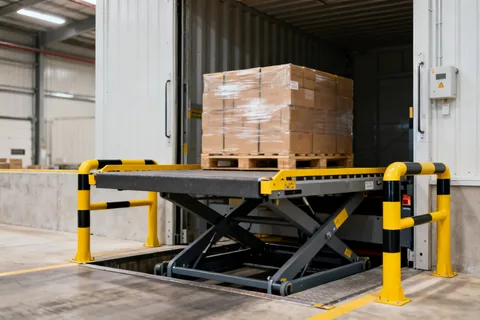
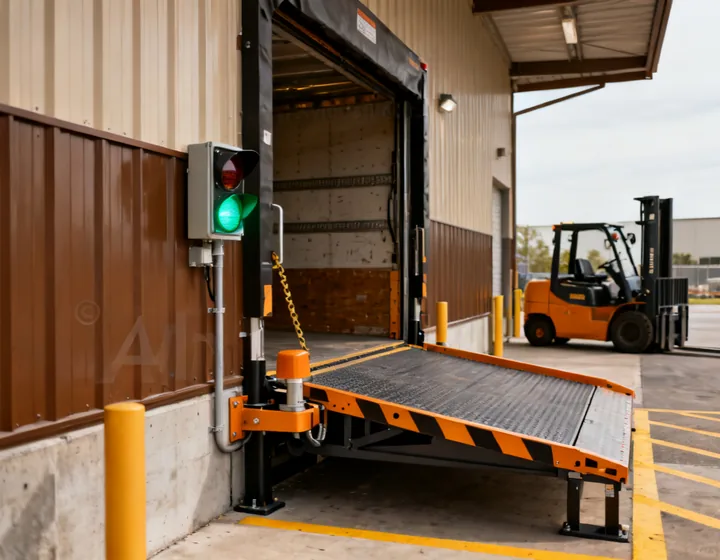
McGuire hydraulic dock leveler bridging a trailer at a guarded receiving bay
1980 Engineering baseline year
46 yrs Dock application focus
47 Markets served by project
2,500+ Configured SKU options
FAT/SAT Acceptance-first handover

Credential ranges are planning values from brand configuration, not independently verified public certifications.

Operating-profile matrix

McGuire dock conditions change with the warehouse vertical

Compare SKU depth, peak factor, temperature and pallet/tote mix before locking leveler capacity or restraint logic.

VerticalSKU depthPeak factorTemperaturePallet / tote mix
E-commerceDeep assortment, small ordersShort cutoff wavesAmbient to mild chillCartons, totes, mixed pallets
GroceryStore-sequenced replenishmentDispatch windowsMulti-temp zonesPallets, roll cages, totes
Cold chainVelocity by temperature classDoor-open time criticalFrozen / chilledPallets with condensation risk
ManufacturingWork-order linked outboundStable cadence, high consequenceMostly ambientPallets, returnables
3PL warehouse opsMulti-client SKU profilesClient-specific peaksShared dock zonesHighly mixed load units

E-commerce

Deep SKU depth, short cutoff waves, mixed cartons and pallets at ambient to mild chill docks.

Grocery

Store-sequenced replenishment, dispatch windows and multi-temp dock seals.

Cold chain

Door-open time dominates; condensation and trailer bed variance drive leveler lip choice.

Manufacturing

Stable cadence with high consequence if a ship bay fails during a work-order wave.

3PL warehouse ops

Client-specific peaks share dock zones; mixed load units stress restraint geometry.

Expand industry operating notes →
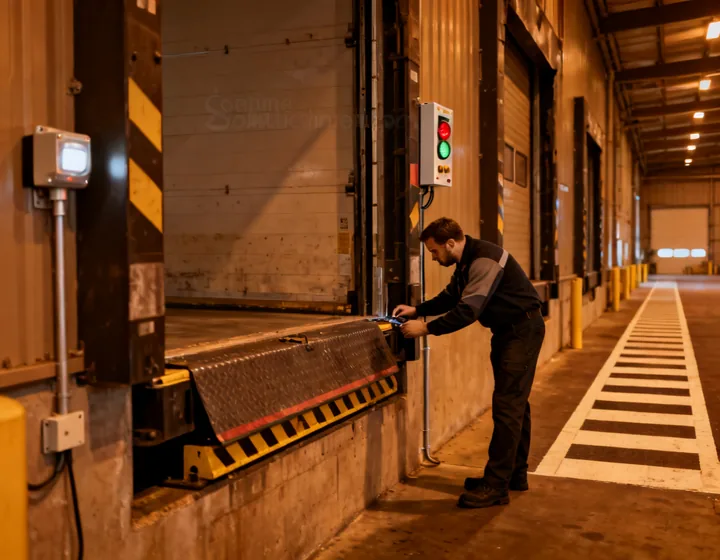
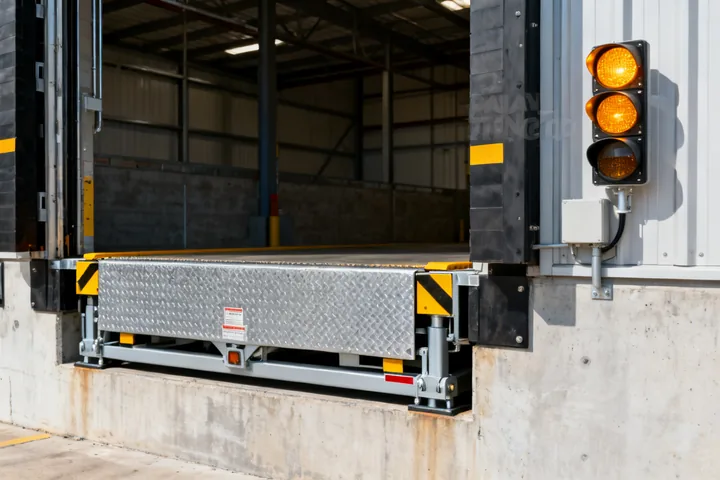
McGuire dock safety interlock inspection at loading bay
Why operations choose McGuire

Four advantages that stay measurable after installation

  • Dock safety integration Coordinate leveler, restraint, door and signal interlocks with trailer geometry and safe operating sequences.
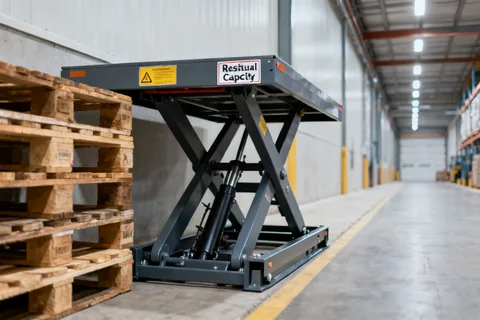
  • Load & duty engineering Review load center, dimensions, aisle geometry, floor condition, duty cycle and residual capacity before selection.
  • Lifecycle serviceability Keep maintenance access, diagnostics, critical spares and recovery procedures visible before operational handover.
  • Phased project delivery Protect live operations with controlled cutover, fallback states, commissioning windows and measurable acceptance gates.
Flow-data RFQ

Send the five fields McGuire needs before quoting a dock package

Throughput, density, interfaces and acceptance criteria only become useful when load unit, order profile, peak rate, control boundaries and site constraints arrive together.

  • Load unit dimensions, weight and load center
  • SKU / order profile and replenishment pattern
  • Peak rate window with exception recovery assumption
  • WMS, WCS, PLC and dock-signal interface owners
  • Pit geometry, floor condition and live-operation cutover limits