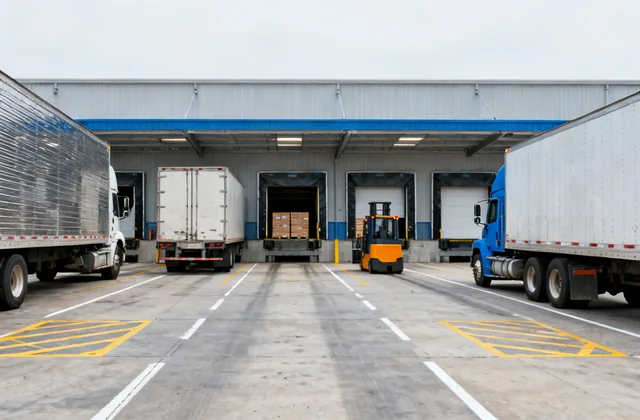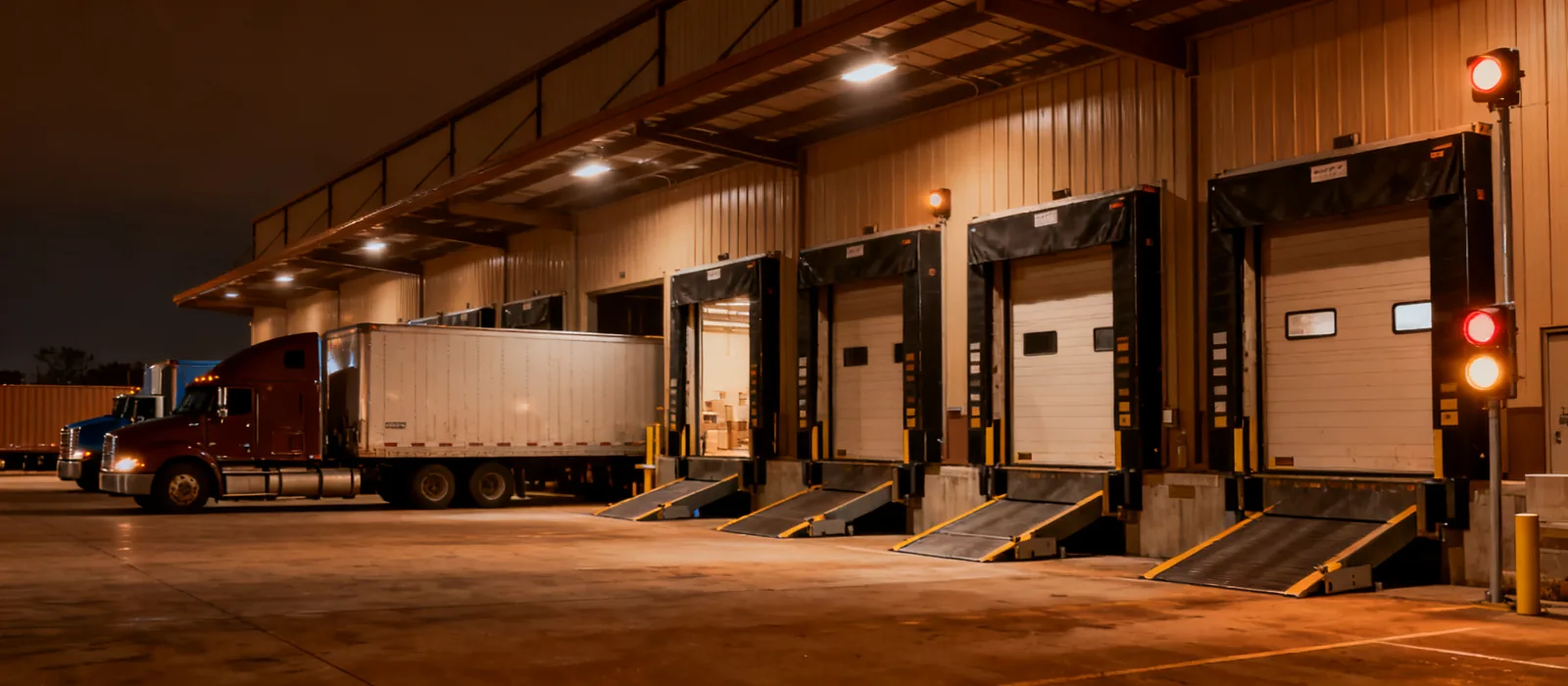
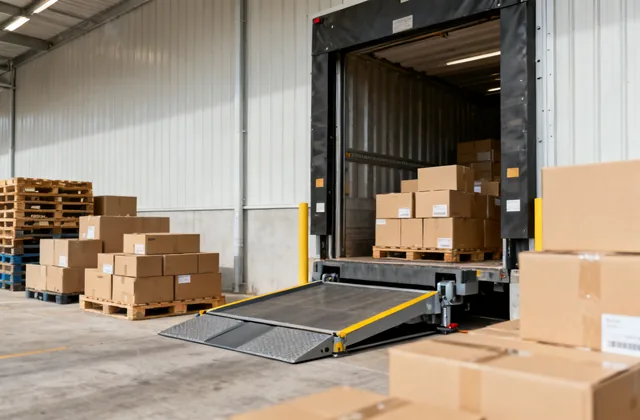
Multi-bay warehouse dock serving mixed trailer traffic
Operating profiles

McGuire industries map dock risk to the way each warehouse actually ships

E-commerce cutoffs, grocery multi-temp doors, cold-chain condensation and manufacturing work-order waves each change trailer mix, peak factor and recovery options.

Vertical snapshots

Where McGuire dock packages are evaluated most often

E-commerce fulfillment dock

E-commerce fulfillment

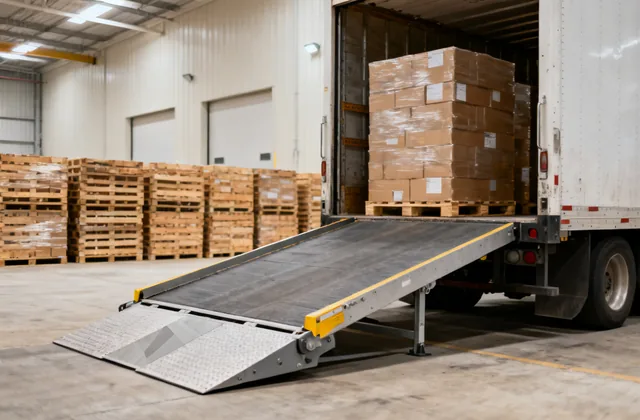
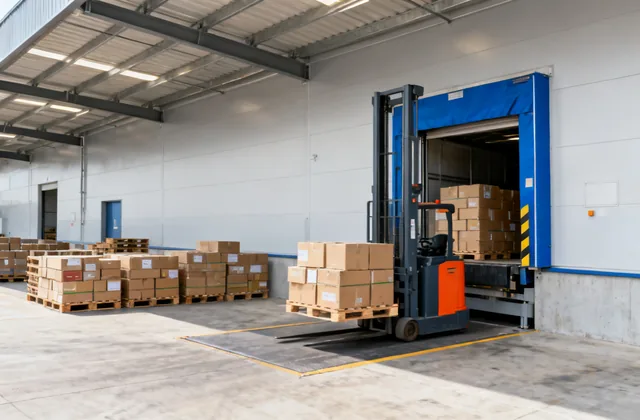
Short cutoff waves and mixed load units demand restraint proof that keeps forklift release predictable when door count is finite. SKU depth is high, order lines are small, and staging often mixes cartons with partial pallets—so McGuire reviews lip travel against the actual trailer bed range used in peak windows, not a single design trailer.
Grocery distribution multi-temp dock

Grocery distribution

Dispatch windows and multi-temp seals couple door-open time to leveler lip choice and seal package state. Store-sequenced replenishment means a failed bay can stall an entire route set; interlock ownership and fallback doors must be named before modernization starts.

Cold chain frozen dock bay

Cold chain

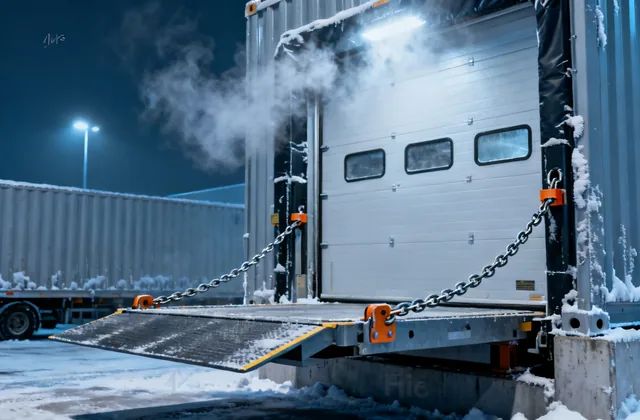
Condensation, trailer bed variance and door-open limits dominate residual capacity and recovery planning. Frozen and chilled classes change seal expectations and can invalidate a capacity claim that looked complete on an ambient dock drawing.

Manufacturing outbound shipping bay

Manufacturing outbound

Stable cadence still carries high consequence when a ship bay fails during a work-order linked wave. Load centers from returnable packaging and axle positions must be confirmed before residual capacity is published for levelers or dock lifts.

3PL multi-client warehouse dock

3PL warehouse operations

Client-specific peaks share dock zones; mixed load units stress restraint geometry and signal ownership. McGuire keeps equipment selection separate from freight-forwarding or courier messaging—this page describes warehouse dock equipment constraints inside the building envelope.

Retail DC reverse logistics dock

Retail DC & reverse flow

Inbound returns and outbound store waves compete for the same pits; lift tables often protect staging height when selectivity and fire-access aisles must remain intact after density gains. Exception recovery assumes a blocked door does not erase the entire wave plan.

5Core vertical profiles modeled
3Scenario classes per bay review
4Interlock owners named at handover
1Acceptance package per cutover bay
Trade-offs McGuire keeps explicit

Peak rate, resilience and brownfield phasing pull in different directions

Dock decisions rarely fail because a leveler capacity number is unknown; they fail when peak trucks-per-hour is optimized without buffers, when centralized dock controls hide a single-door failure, or when a greenfield sequence is applied to a live shipping wall.

Peak rate vs resilient flow

A design-rate demonstration under ideal trailer mix does not prove recovery when a restraint fails or a door stays open too long in cold chain. McGuire asks for exception windows alongside peak windows so residual capacity is not overstated.

Centralized vs modular bay controls

Central dock controls can improve a shared bay view; modular packages can isolate a single door failure. Interface cycle time, change control and maintenance competence decide which architecture fits the site—not a brand preference for one HMI style.

Greenfield layout vs brownfield cutover

New pits can optimize approach angles and seal packages. Live docks need staged isolation, fallback doors and rollback triggers. Selectivity of adjacent staging, fire access and pedestrian routes must survive the temporary state, not only the final drawing.

Next step

Tell McGuire which vertical drives your dock peak

Share SKU depth, temperature class, peak factor and trailer mix so the industry profile becomes an engineering input—not a marketing label.

Contact McGuire engineering